







Train To Become an Electrical Technician
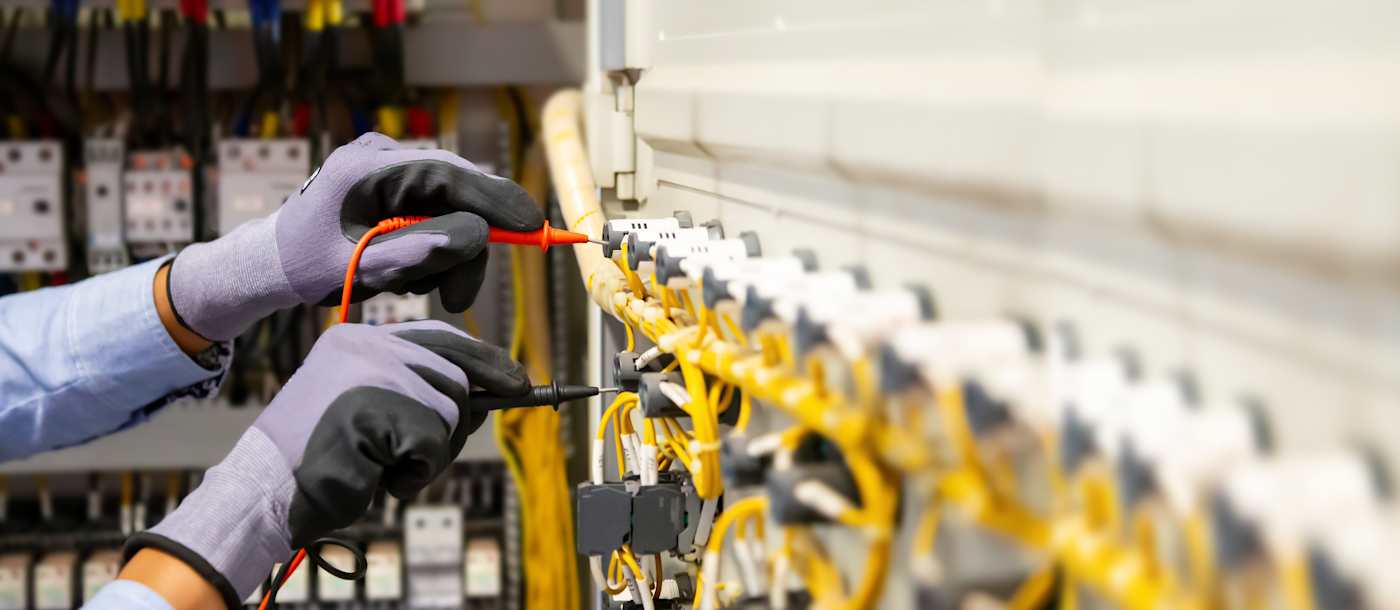
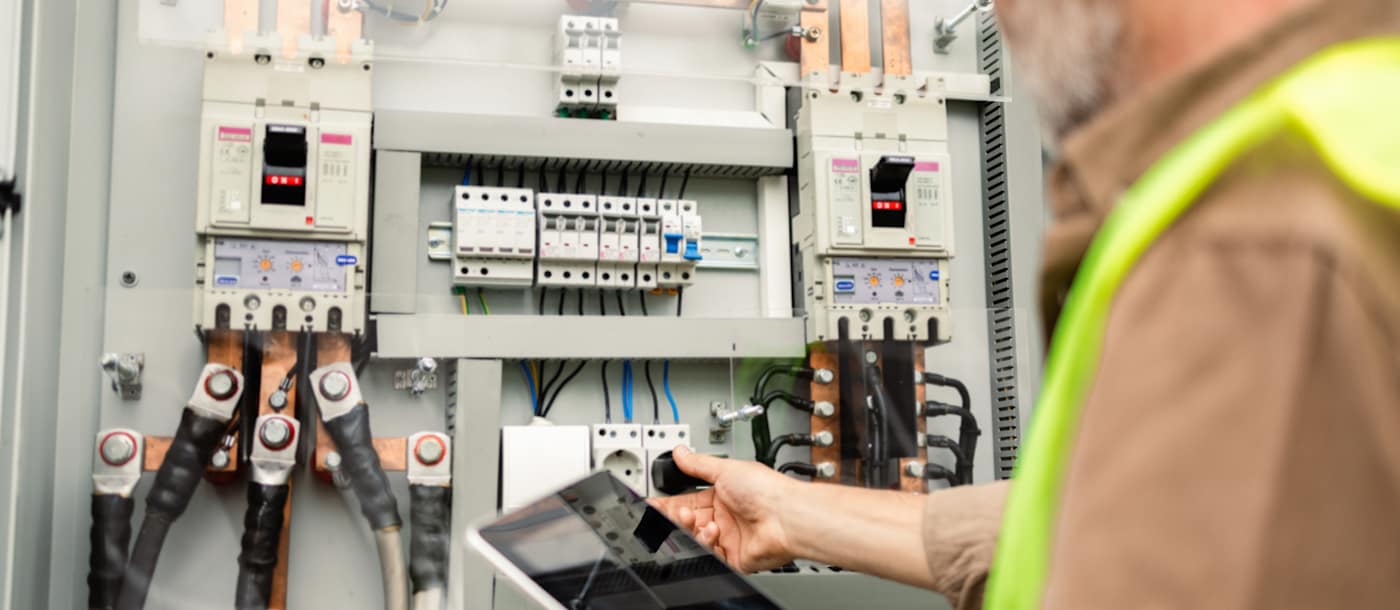
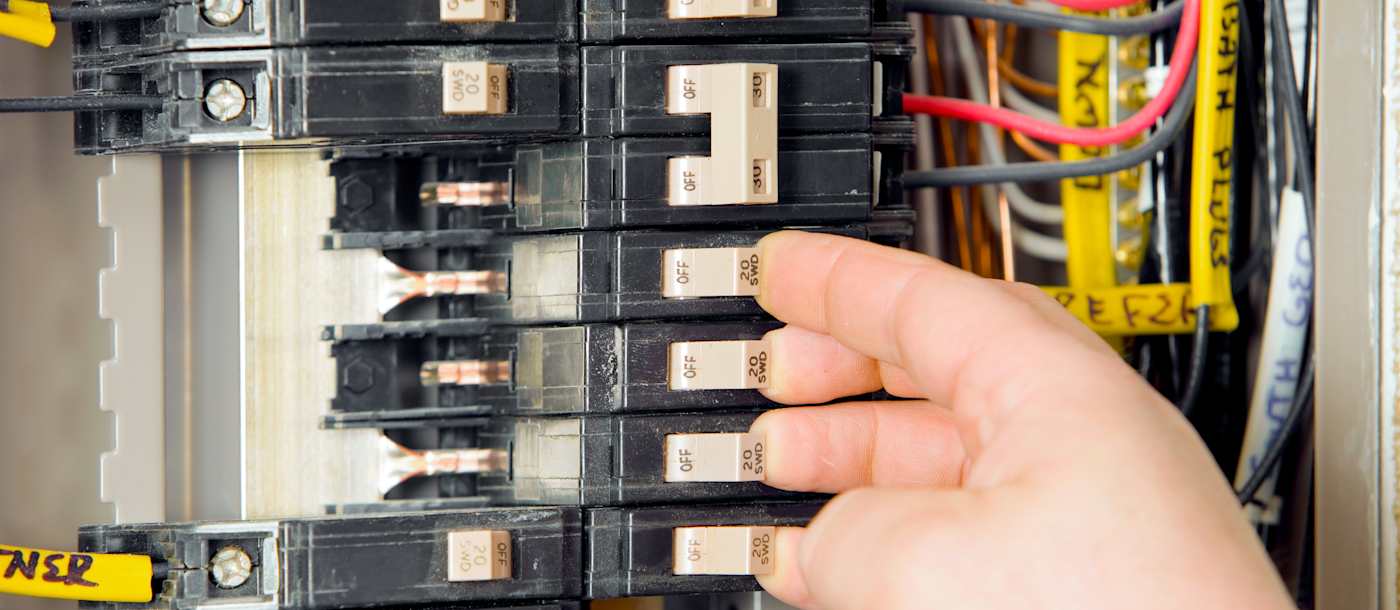
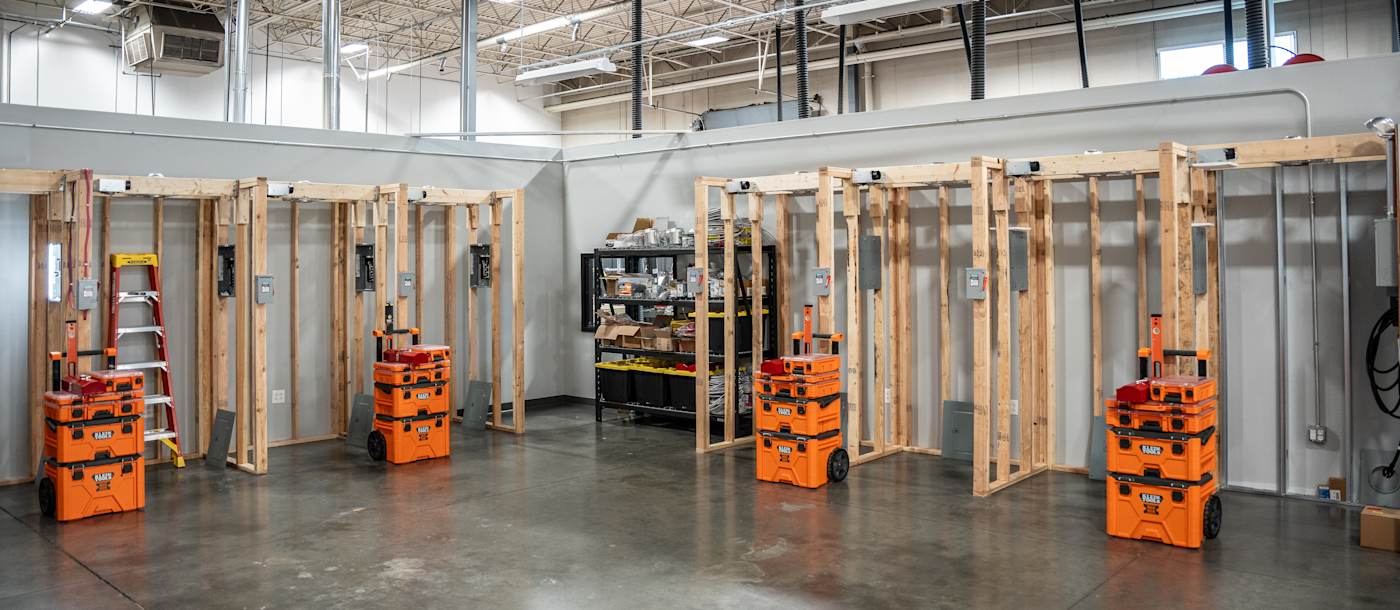
Get hands-on with the electrical, electronic and low-voltage systems that power today’s smart buildings and modern facilities — systems that keep our daily lives running.130 You’ll learn wiring, electronics, security systems and more across commercial, residential and industrial environments.
- Hands-on training
- Real industry tools and tech
- Be career-ready in 12-19 months1

Program Length: 12-19 months
UTI offers two electrical electronics training paths. The key difference comes down to duration and the credential you earn. You can enroll directly into either program – completion of the diploma is not required to begin the associate degree!
Potential to Earn 5+ Certifications
Students are prepared to test for 5 NCCER Credentials, plus OSHA 10 certification and American Heart Association’s certification for CPR and AED use, as they train.
Multiple Schedule Options
Many campuses offer morning, afternoon or evening classes so you can train on a schedule that fits your life.
Opportunity to Earn Associate Degree
At select campuses, based on location, this 16-month or 19-month program includes the same core technical training as the diploma program, along with additional coursework that builds broader knowledge and skills.Jobs Graduates Pursue77
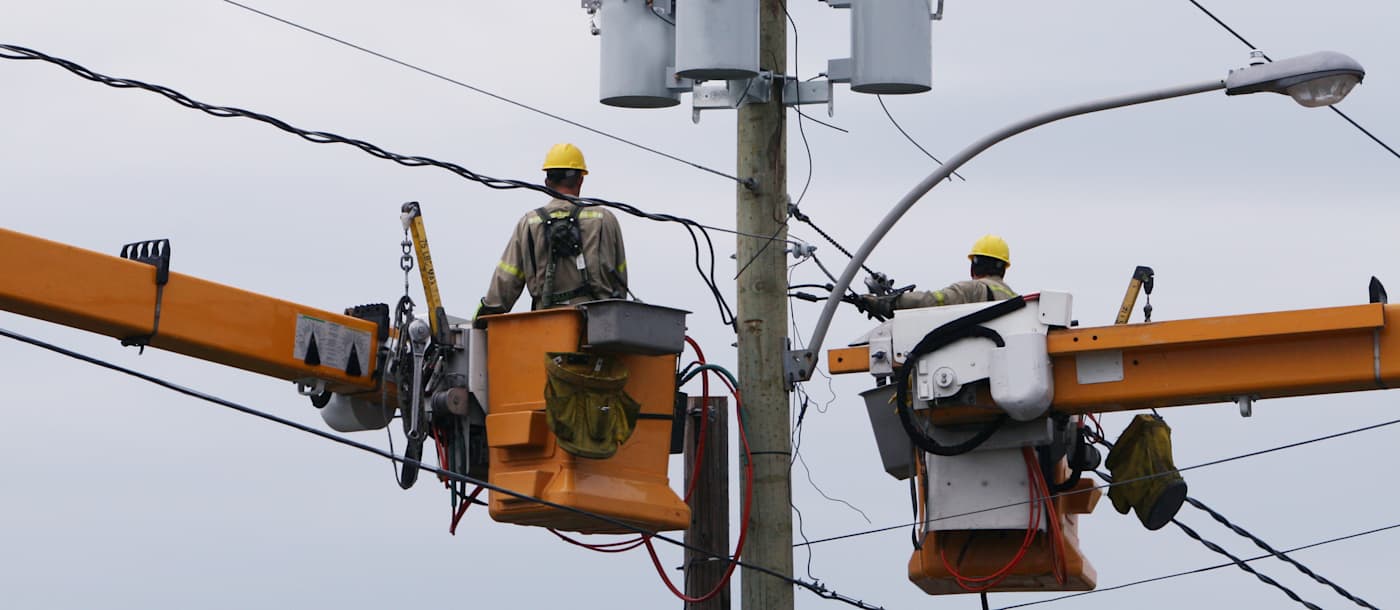
- Electrical technician
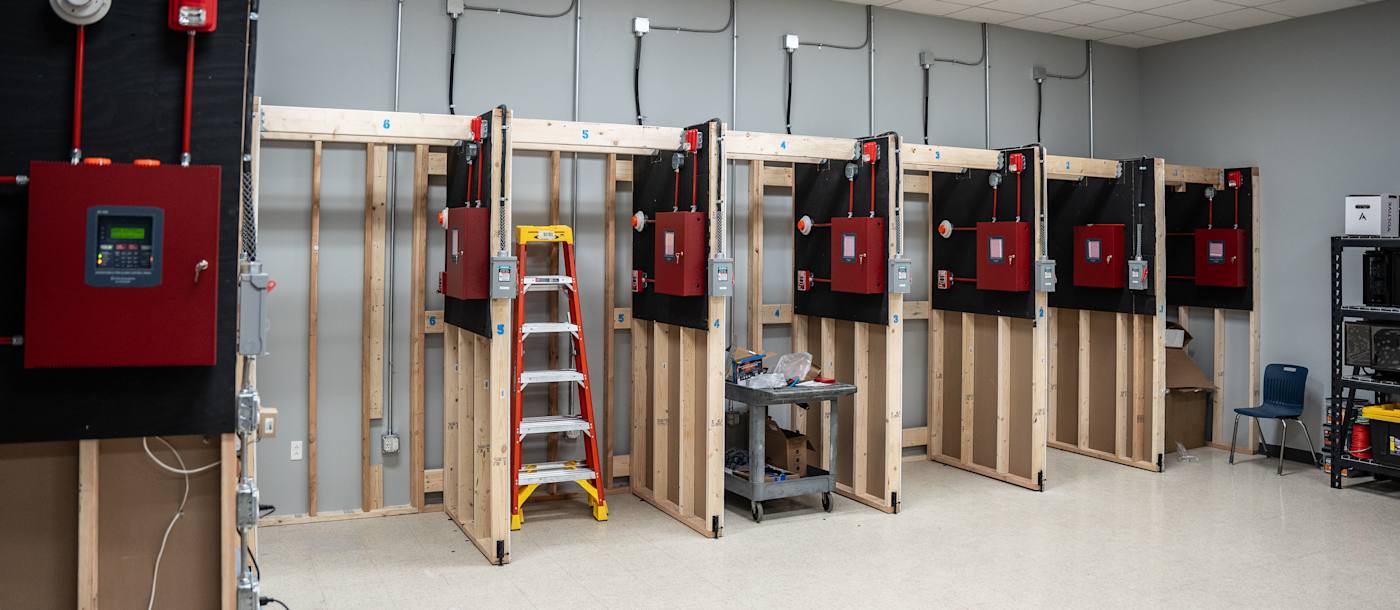
- Fire alarm technician
- Cable technician
- Security & access control systems technician
- Mechatronics technician... and more!



What You'll Learn
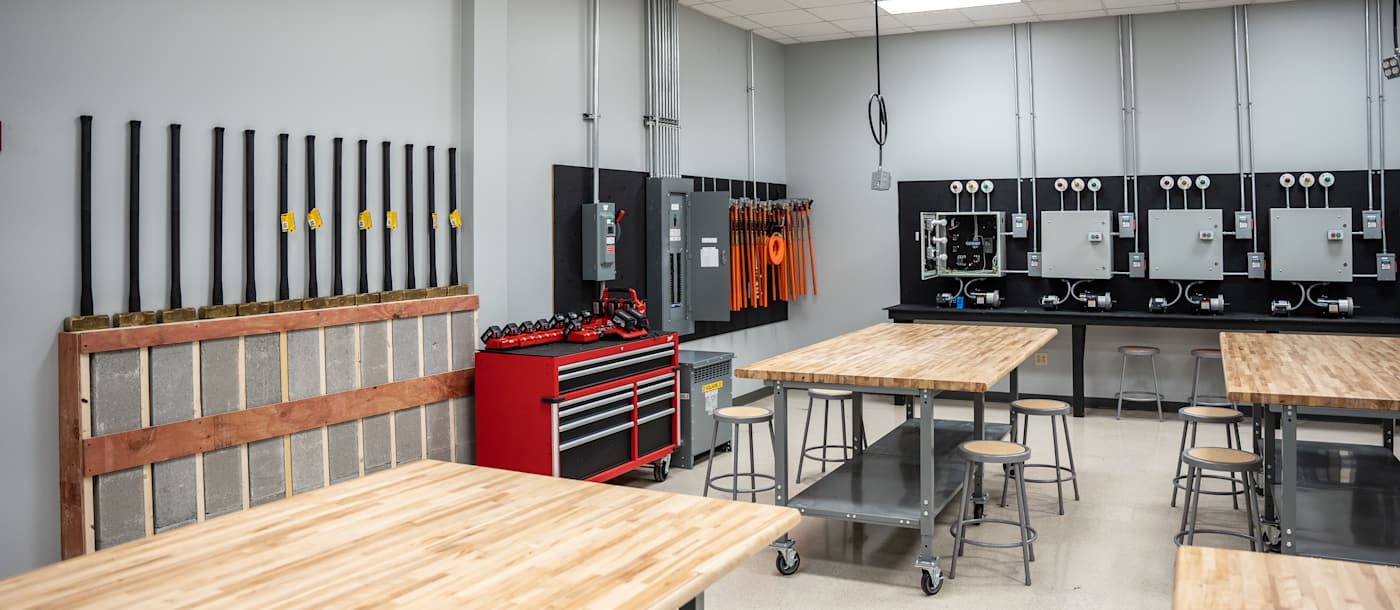
- Electrical Wiring
- DC Electrical Theory
- AC Electrical Theory
- Electrical Applications
- Advanced Electrical and Controls
- Industrial Robotics
Resources
You’ll have dedicated support from enrollment to graduation and beyond. Visit the Campus Locations page to find help with:
- Financial aid guidance10
- Housing assistance
- Career services
- Military & veteran support20
- Admissions requirements
Frequently Asked Questions
Available at These Locations
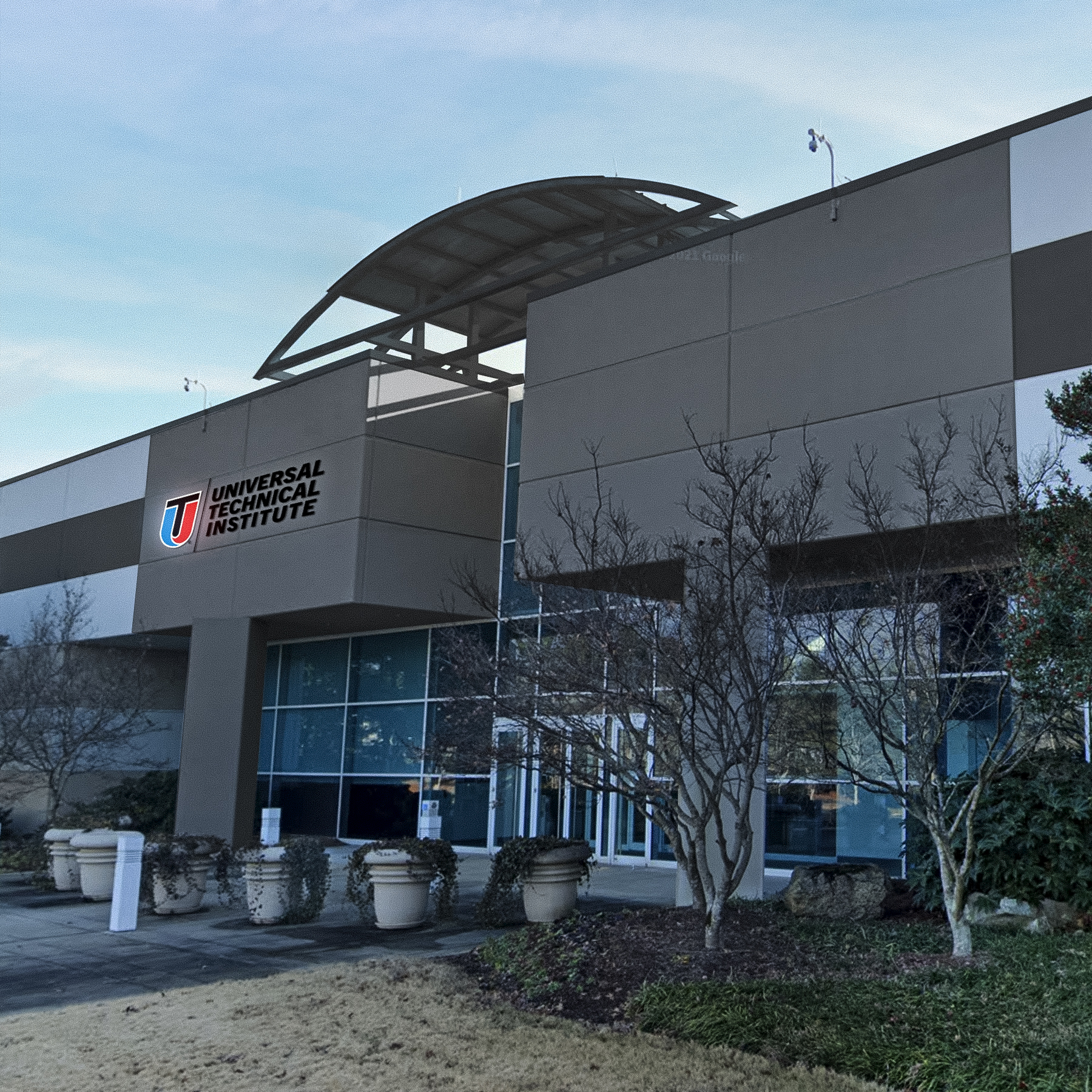
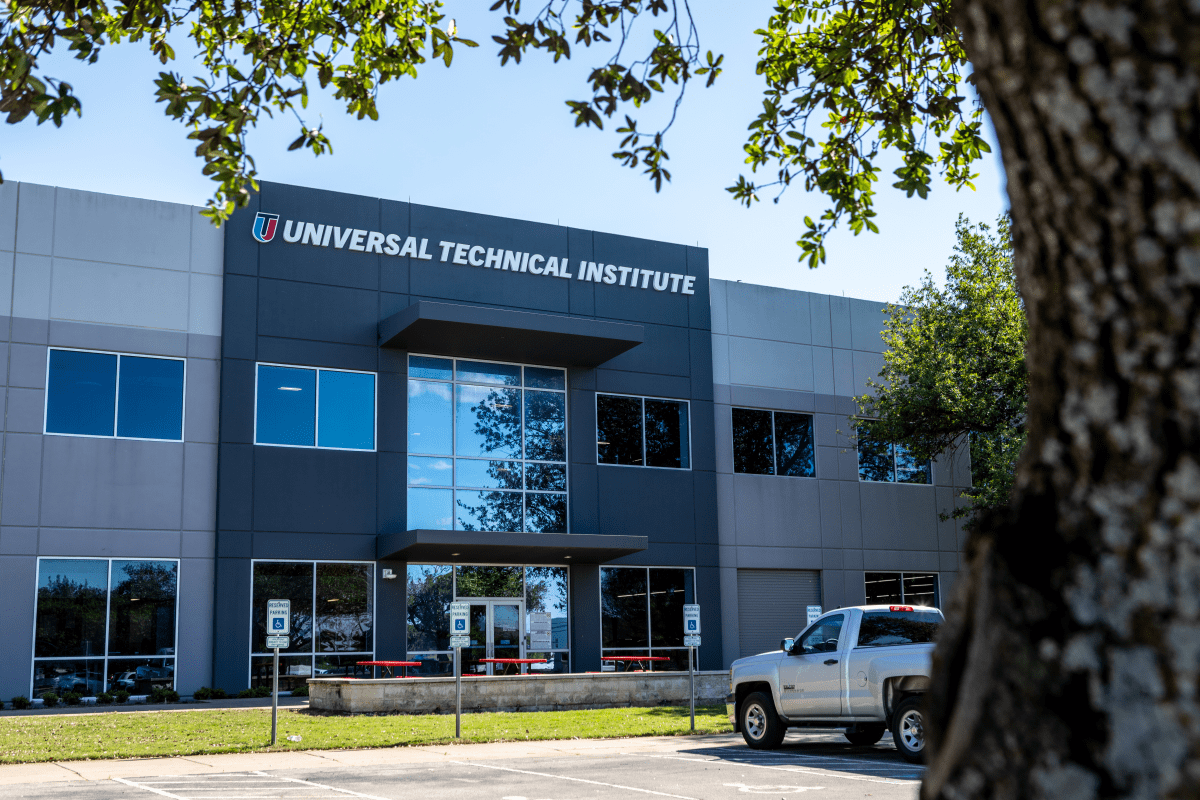


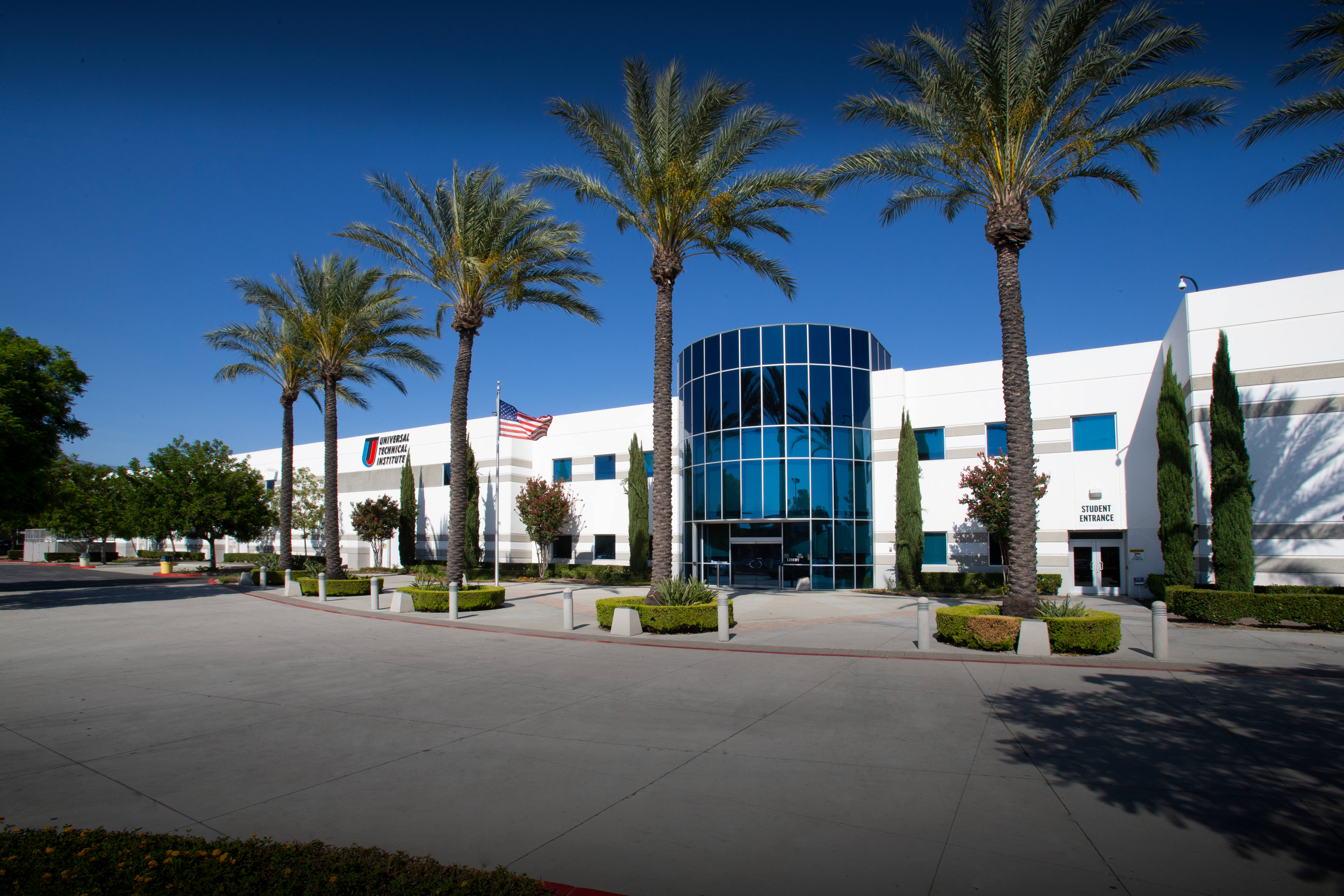
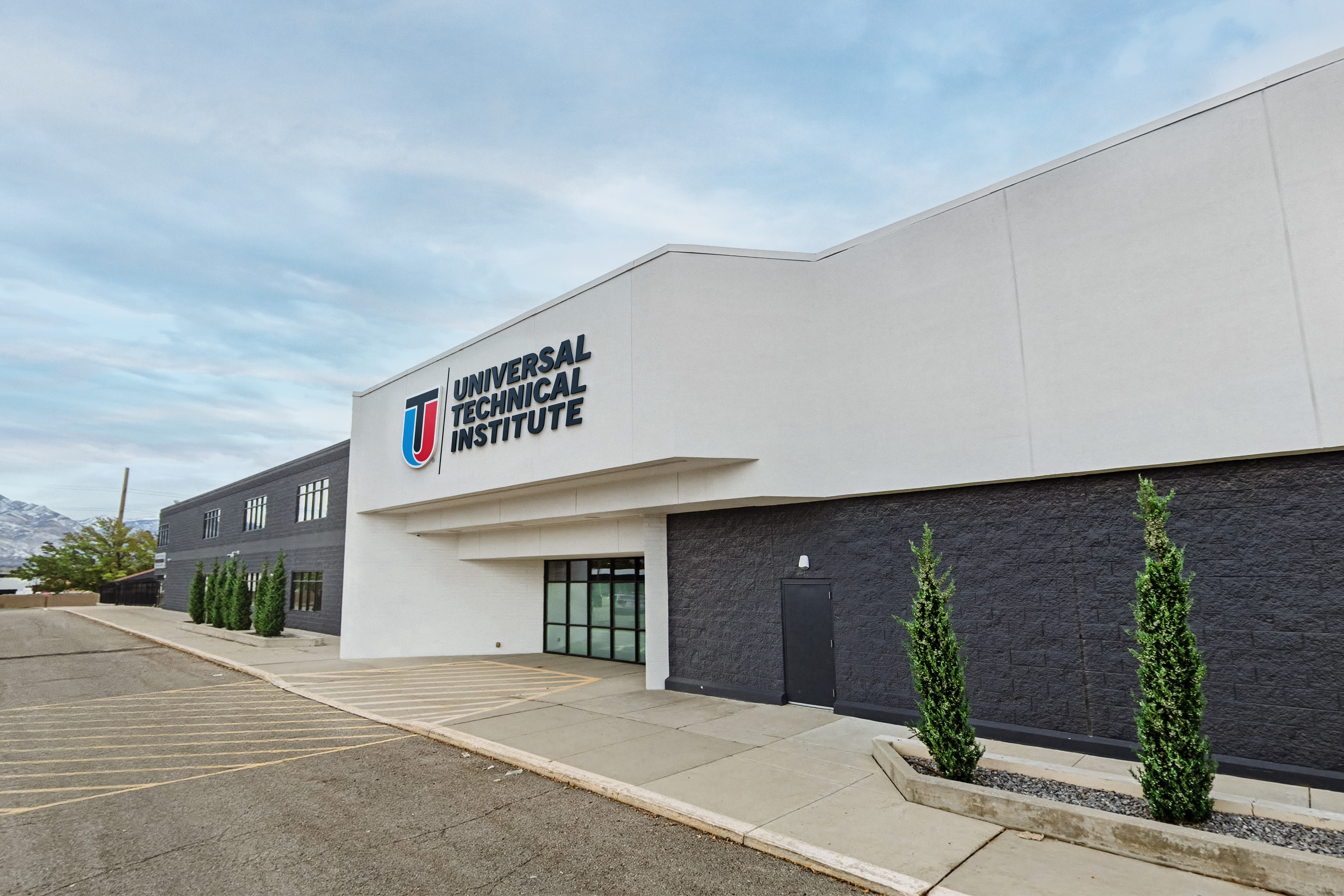
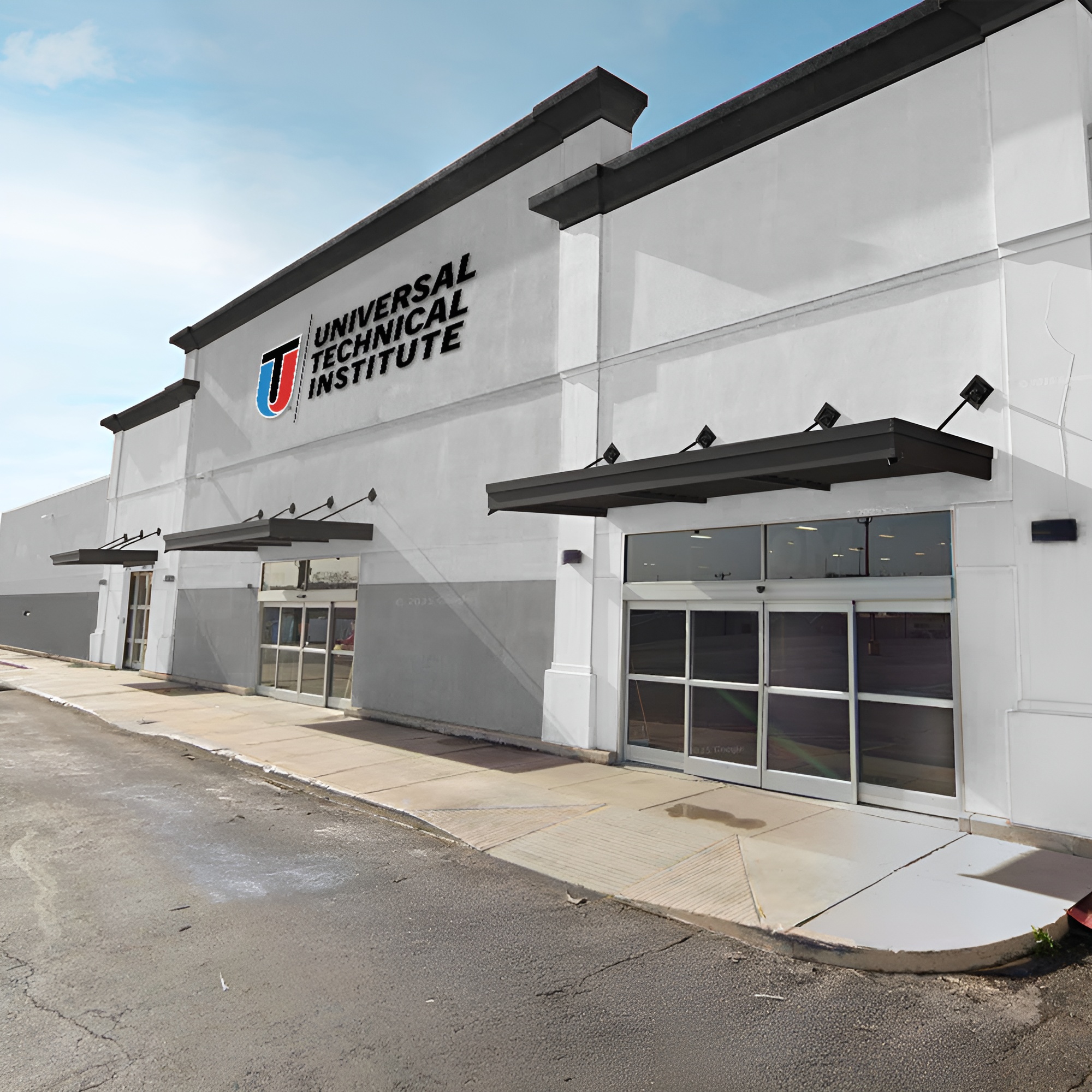
Program coming to UTI Salt Lake City pending regulatory approval.
VA benefits may not be available for all programs.
VA benefits may not be available for all programs.
- UTI is an educational institution and cannot guarantee employment or salary.
- For program outcome information and other disclosures, visit www.uti.edu/disclosures.
- Financial aid, scholarships and grants are available to those who qualify. Awards vary due to specific conditions, criteria and state.
- VA benefits may not be available at all campus locations.
- UTI’s electrical programs do not prepare graduates for employment as electricians, and graduates will not be eligible for certification as an electrician without additional training and meeting state licensing requirements. These programs prepare graduates for entry-level careers using the provided training. Possible career paths, by program, may include: Electrical, Electronics & Industrial Technology – electrician’s assistant, security + access control systems technician; Electrical, Robotics + Automation Technology – control systems technician, robotics & automation technician; Electrical, Wind Turbine Technology – field service technician, wind turbine technician; Electrical, Industrial Maintenance Technology – maintenance technician, field service technician. UTI is an educational institution and cannot guarantee employment or salary. For program outcome information and other disclosures, visit www.uti.edu/disclosures.